• HEALTH CARE

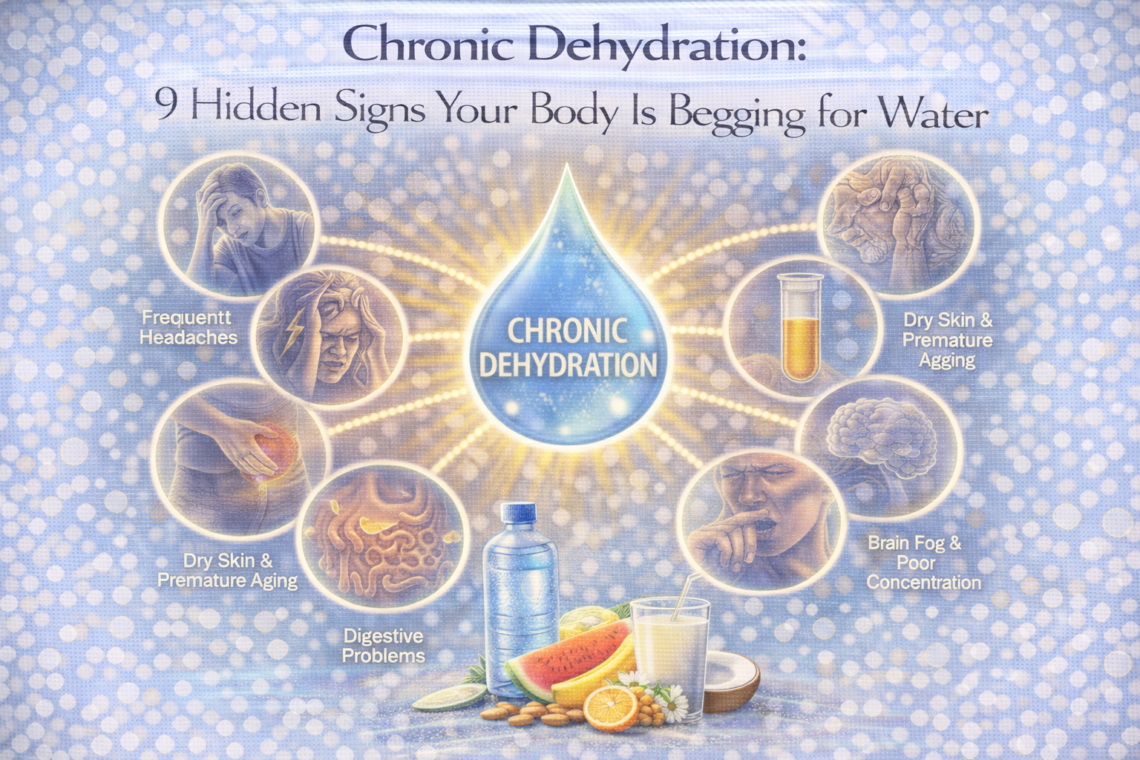
    Signs of Chronic Dehydration You Should Never Ignore

    Introduction Most people think dehydration only happens when you feel thirsty. In reality, chronic dehydration develops slowly and quietly, damaging your energy, digestion, skin, and even brain health. Many people live dehydrated every day without realizing it. Let’s uncover the warning signs your body uses to ask for water — before serious health problems appear. 1. Constant Fatigue When your body lacks water, blood volume drops, forcing your heart to work harder. This results in persistent tiredness, even after proper sleep. 2. Frequent Headaches Dehydration causes the brain to temporarily shrink away from the skull, triggering headaches and migraines. 3.…
  • HEALTH CARE

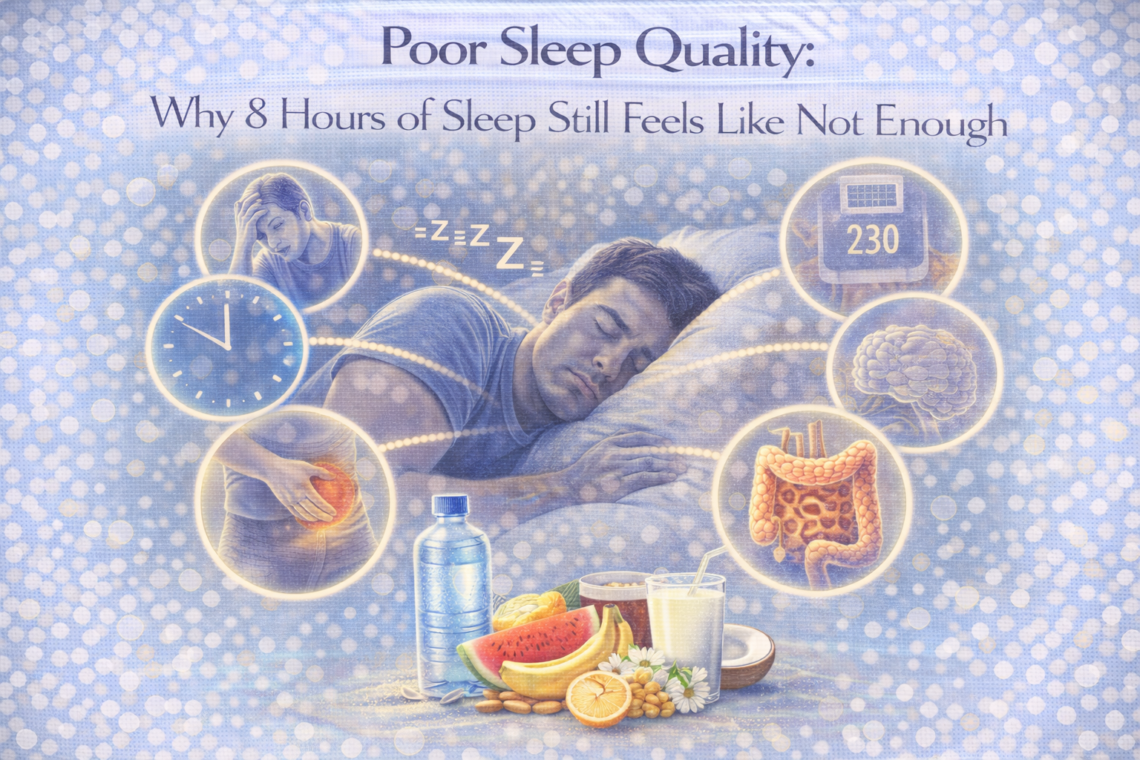
    Poor Sleep Quality: Why 8 Hours of Sleep Still Feels Like Not Enough

    Introduction Many people sleep for 7–8 hours every night yet wake up tired, unfocused, and low on energy. The problem isn’t sleep duration—it’s sleep quality. Poor sleep quality silently affects hormones, metabolism, immunity, mental health, and productivity. What Is Poor Sleep Quality? Poor sleep quality means your body doesn’t move properly through deep and REM sleep stages. Even if you sleep long hours, your brain and body fail to fully recover. Common Signs of Poor Sleep Quality Main Causes of Poor Sleep How Poor Sleep Affects Your Health Natural Ways to Improve Sleep Quality Foods That Support Better Sleep Final…

  • HEALTH CARE

    Dehydration Symptoms: Hidden Causes of Fatigue & Poor Digestion

    Introduction Dehydration is one of the most common yet ignored health problems. Many people drink water only when they feel thirsty, but by then the body is already dehydrated. Even mild dehydration can silently affect your energy, digestion, brain function, and overall health. 1. What Is Dehydration? Dehydration happens when your body loses more fluids than it takes in. Water is essential for: Without enough water, every system in the body slows down. 2. Common Signs of Dehydration Many people ignore these early warning signs: If you notice these regularly, your body may be asking for more fluids. 3. How…

  • HEALTH CARE

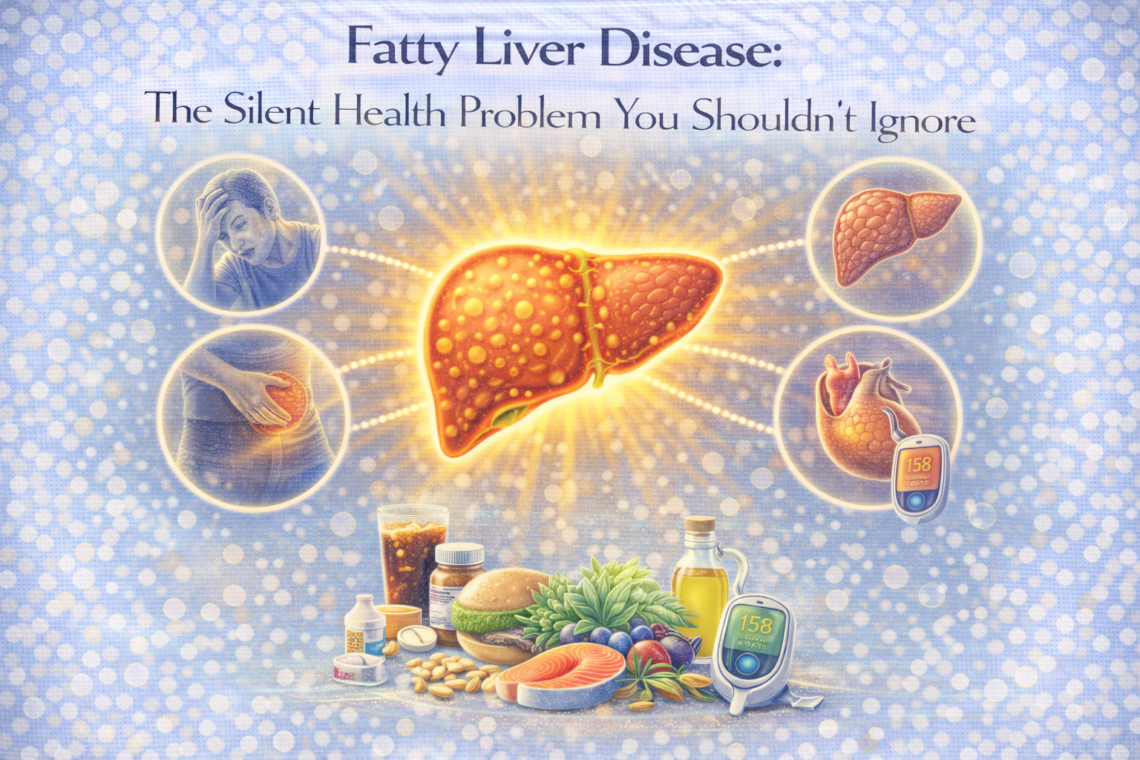
    Fatty Liver Disease: The Silent Health Problem You Shouldn’t Ignore

    Introduction Fatty Liver Disease is becoming one of the most common yet overlooked health conditions today. Many people have it without any symptoms, and it often goes unnoticed until serious damage occurs. With poor diet, sedentary lifestyle, and rising stress levels, fatty liver is no longer limited to alcohol users—it affects even non-drinkers. What Is Fatty Liver Disease? Fatty Liver Disease occurs when excess fat builds up in liver cells. Normally, the liver contains a small amount of fat, but when fat exceeds 5–10% of liver weight, it becomes a health concern. There are two main types: Common Causes Early…

  • HEALTH CARE

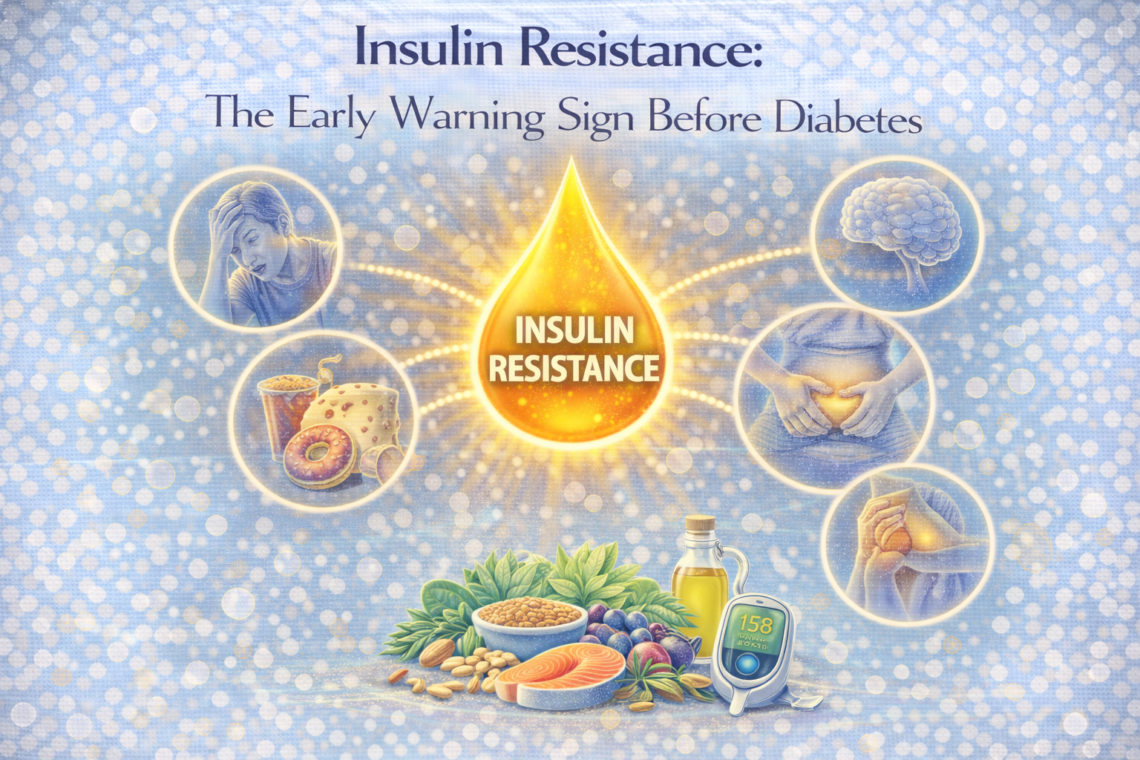
    Insulin Resistance: The Early Warning Sign Before Diabetes

    Introduction Many people believe diabetes appears suddenly, but in reality, it develops slowly over time. One of the earliest and most important warning signs is insulin resistance. This condition often exists for years without obvious symptoms, quietly increasing the risk of type 2 diabetes, heart disease, and obesity. Understanding insulin resistance early can help you reverse it naturally and protect your long-term health. What Is Insulin Resistance? Insulin is a hormone that helps move glucose (sugar) from the bloodstream into cells for energy. When your cells stop responding properly to insulin, glucose builds up in the blood. This condition is…

  • HEALTH CARE

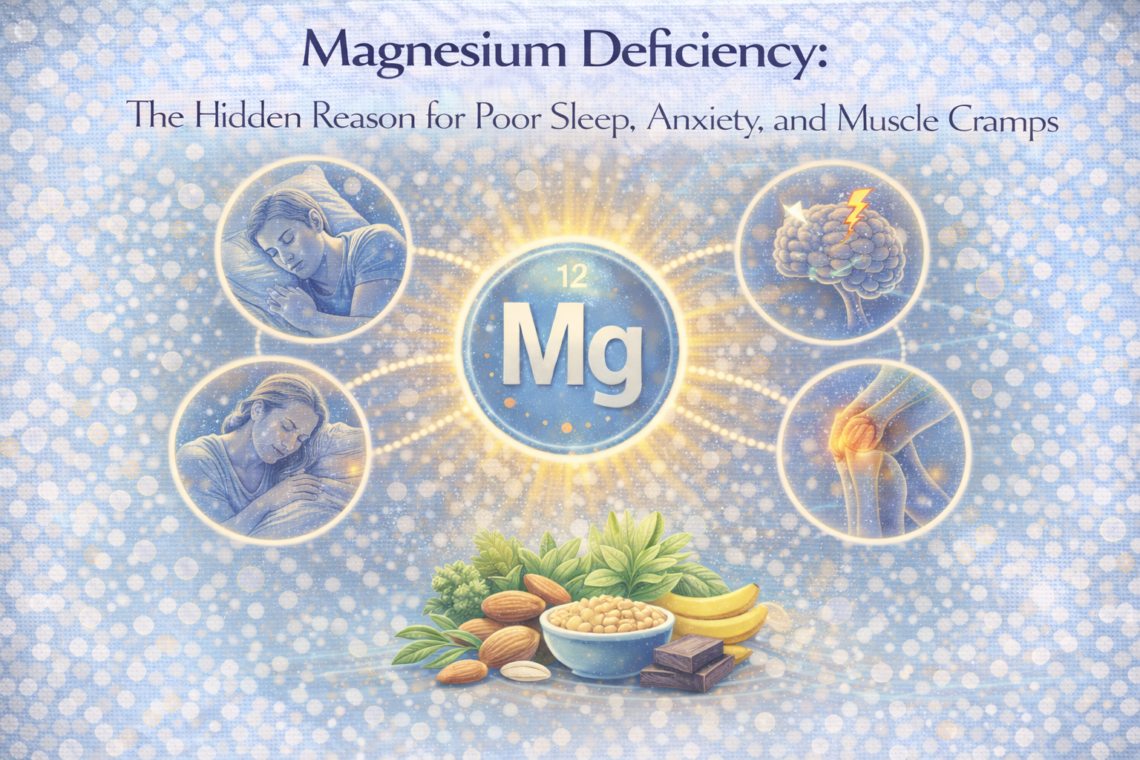
    Magnesium Deficiency: The Hidden Reason for Poor Sleep, Anxiety, and Muscle Cramps

    Introduction Magnesium is one of the most important minerals in the human body, yet a large percentage of people don’t get enough of it. Often called the “relaxation mineral,” magnesium plays a critical role in sleep quality, muscle function, nerve health, and stress regulation. Unfortunately, magnesium deficiency is common—and frequently overlooked. Why Magnesium Is Essential for the Body Magnesium is involved in more than 300 biochemical reactions, including: Without adequate magnesium, multiple body systems begin to struggle. Common Symptoms of Magnesium Deficiency Many symptoms develop slowly and are mistaken for normal stress or aging. Long-term deficiency can increase the risk…

  • HEALTH CARE

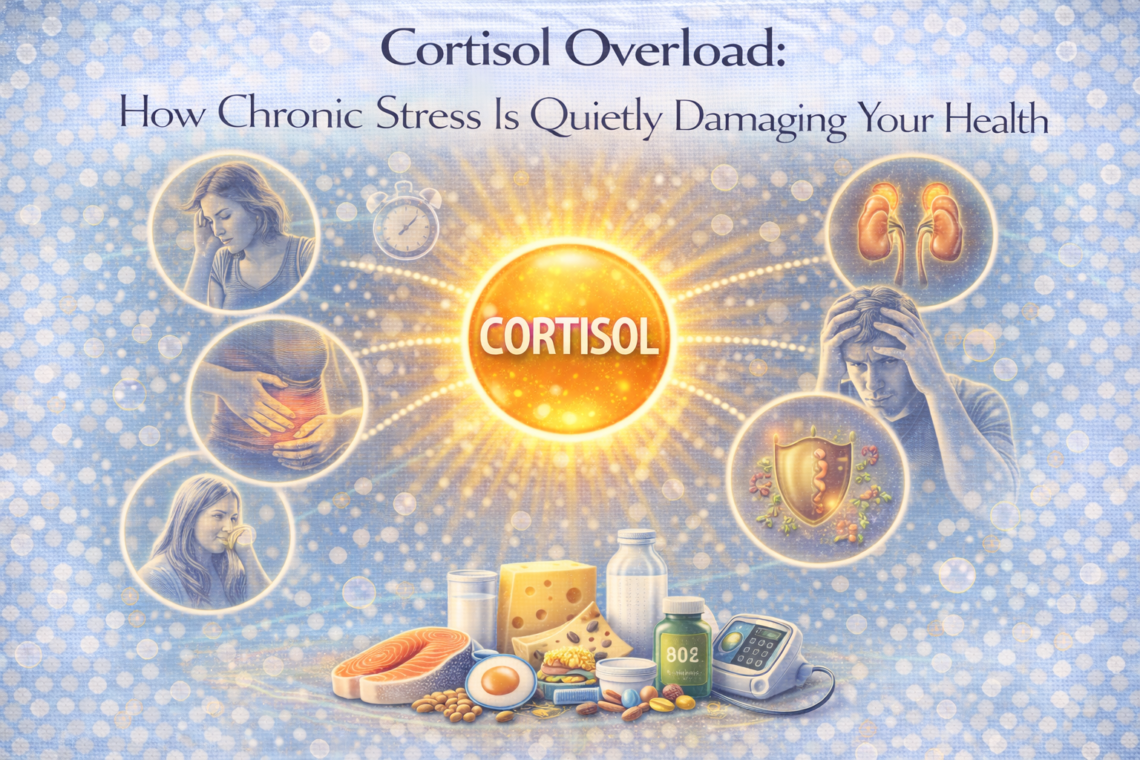
    Cortisol Overload: How Chronic Stress Is Quietly Damaging Your Health

    Introduction Stress has become a normal part of modern life—but when stress becomes constant, it can seriously harm your body. At the center of this problem is cortisol, the primary stress hormone. While cortisol is essential for survival, chronically high levels can silently damage your physical and mental health. Understanding cortisol overload is the first step toward restoring balance. What Is Cortisol? Cortisol is a hormone released by the adrenal glands in response to stress. It helps regulate: In short bursts, cortisol is helpful. The problem begins when stress never turns off. What Is Cortisol Overload? Cortisol overload happens when…

  • HEALTH CARE

    Vitamin B12 Deficiency: Silent Symptoms You Should Never Ignore

    Introduction Vitamin B12 is an essential nutrient that plays a major role in nerve function, red blood cell formation, and DNA synthesis. Despite its importance, Vitamin B12 deficiency is very common—especially among vegetarians, older adults, and people with digestive issues. The biggest problem? Its symptoms are often silent or mistaken for everyday fatigue. Why Vitamin B12 Is Essential Vitamin B12 helps keep your nervous system healthy and supports proper brain function. It is also required to produce healthy red blood cells, which carry oxygen throughout your body. Without enough B12, your body and mind begin to slow down. Common Symptoms…

  • HEALTH CARE

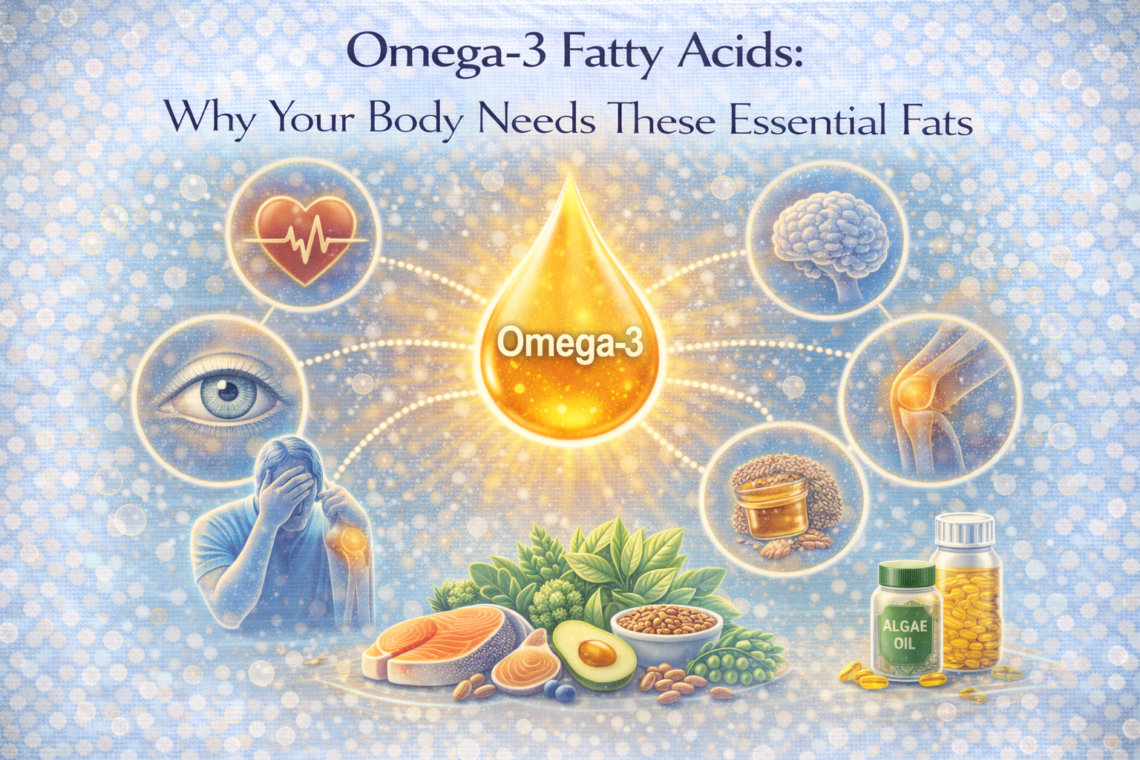
    Omega-3 Fatty Acids: Why Your Body Needs These Essential Fats

    Introduction Omega-3 fatty acids are often called “good fats,” but many people still don’t get enough of them. These essential fats play a critical role in heart health, brain function, and inflammation control. Since the body cannot produce omega-3 on its own, it must come from food or supplements. What Are Omega-3 Fatty Acids? Omega-3s are a group of polyunsaturated fats that support multiple systems in the body. The three main types are: Key Health Benefits of Omega-3 1. Supports Heart Health Omega-3s help reduce triglycerides, lower blood pressure, and decrease the risk of heart disease. 2. Improves Brain Function…

  • HEALTH CARE

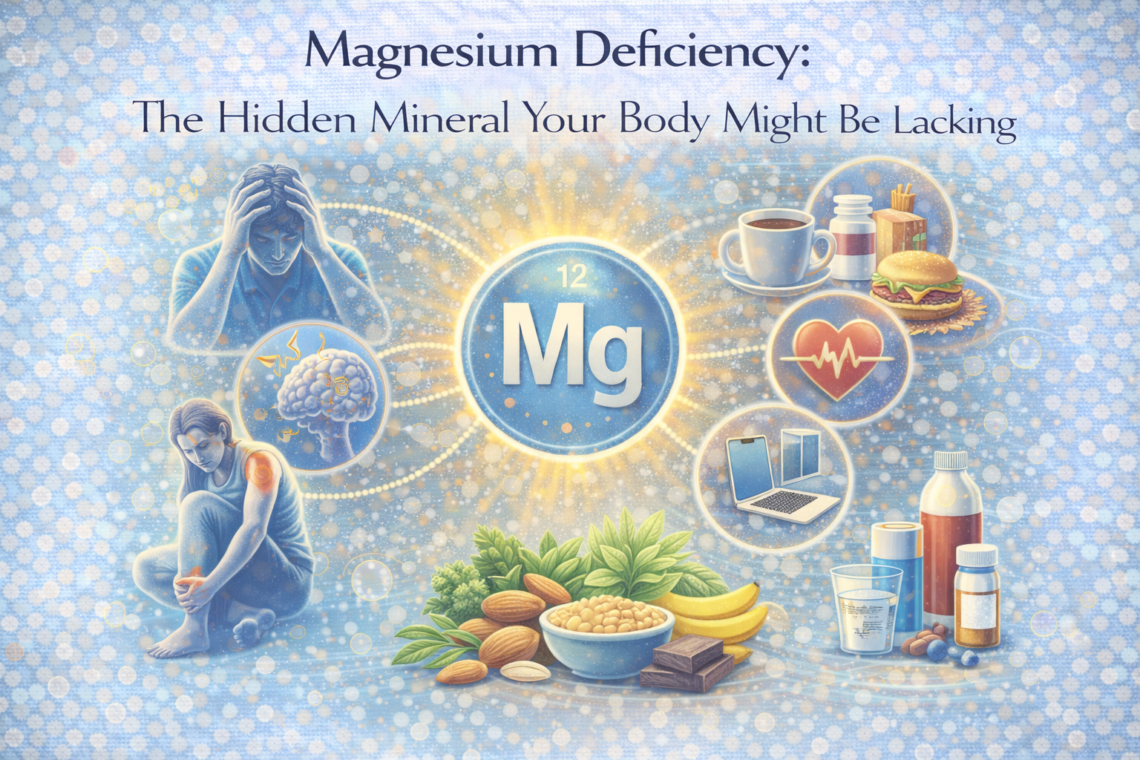
    Magnesium Deficiency: The Hidden Mineral Your Body Might Be Lacking

    Magnesium is one of the most important minerals in the human body, yet millions of people don’t get enough of it. This essential nutrient supports over 300 biochemical reactions, including muscle function, nerve signaling, blood sugar control, and bone health. Despite its importance, magnesium deficiency often goes unnoticed. Why Magnesium Is So Important Magnesium plays a key role in energy production, heart rhythm regulation, and relaxation of muscles and nerves. Without enough magnesium, the body struggles to maintain balance, leading to both physical and mental health issues. Common Symptoms of Magnesium Deficiency These symptoms are often mistaken for stress or…