Introduction
Magnesium is one of the most important minerals in the human body, yet a large percentage of people don’t get enough of it. Often called the “relaxation mineral,” magnesium plays a critical role in sleep quality, muscle function, nerve health, and stress regulation. Unfortunately, magnesium deficiency is common—and frequently overlooked.
Why Magnesium Is Essential for the Body
Magnesium is involved in more than 300 biochemical reactions, including:
- Muscle contraction and relaxation
- Nerve signaling
- Energy production
- Blood sugar control
- Heart rhythm regulation
- Stress and mood balance
Without adequate magnesium, multiple body systems begin to struggle.
Common Symptoms of Magnesium Deficiency
Many symptoms develop slowly and are mistaken for normal stress or aging.
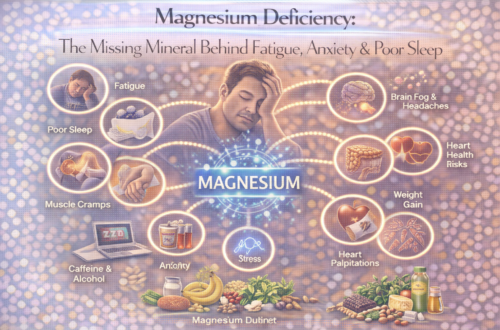
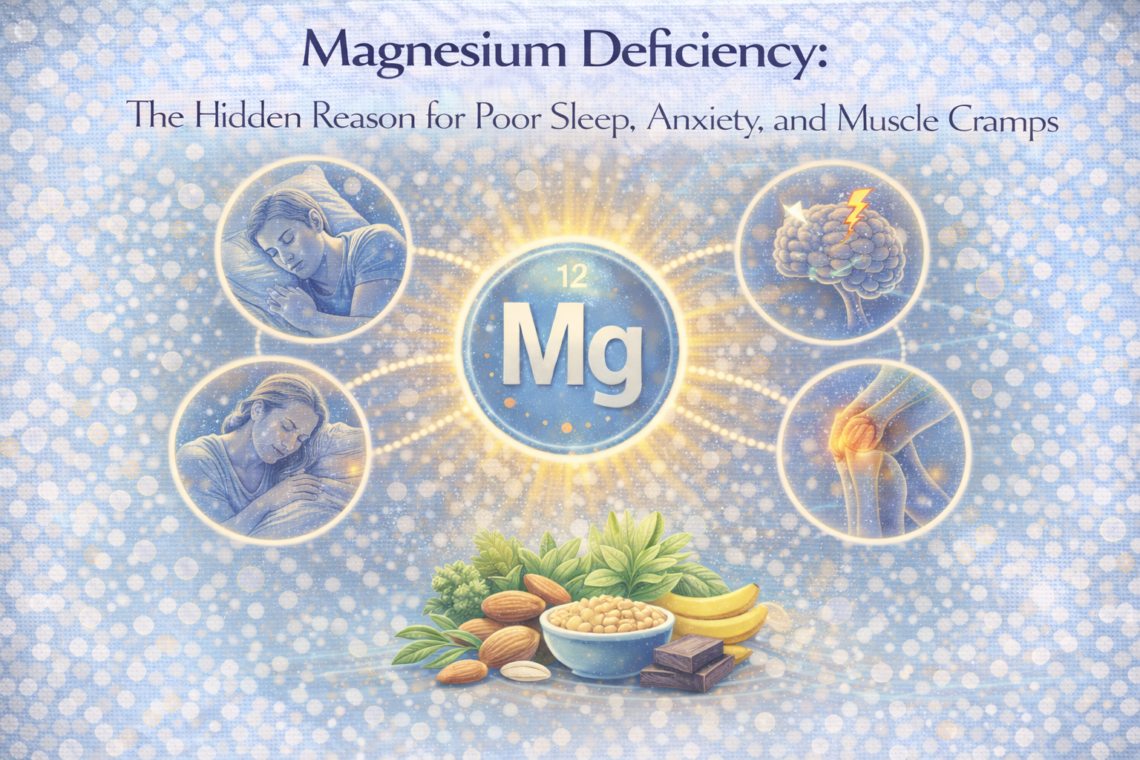
- Difficulty falling or staying asleep
- Anxiety, irritability, or restlessness
- Muscle cramps or spasms
- Frequent headaches or migraines
- Fatigue and low energy
- Irregular heartbeat
- Constipation
Long-term deficiency can increase the risk of osteoporosis, high blood pressure, and heart disease.
Who Is Most at Risk?
- People under chronic stress
- Individuals who consume a highly processed diet
- Older adults
- People with digestive disorders
- Those who drink excessive caffeine or alcohol
- People taking certain medications (diuretics, acid blockers)
How Magnesium Affects Sleep and Stress
Magnesium helps activate the parasympathetic nervous system—the system responsible for calm and relaxation. It also supports the production of GABA, a neurotransmitter that quiets the brain and promotes restful sleep.
Low magnesium = a constantly “wired” nervous system.
Best Natural Food Sources of Magnesium
- Leafy green vegetables (spinach, kale)
- Nuts and seeds (almonds, pumpkin seeds)
- Whole grains
- Legumes
- Dark chocolate (70% or higher)
- Avocados
Eating a variety of these foods regularly can significantly improve magnesium levels.
Should You Consider Magnesium Supplements?
For many people, food alone may not be enough. Magnesium supplements—such as magnesium glycinate or citrate—can help, especially for sleep and muscle relaxation. Always consult a healthcare professional before starting supplementation.
Tips to Improve Magnesium Absorption
- Reduce processed foods
- Limit caffeine and alcohol
- Manage stress levels
- Maintain gut health
- Take magnesium in the evening for better sleep benefits
Final Thoughts
Magnesium deficiency doesn’t shout—it whispers. Poor sleep, anxiety, and muscle cramps are often signs your body is asking for balance. Supporting magnesium intake through diet and lifestyle can dramatically improve your overall well-being.
Vitamin B12 Deficiency: Silent Symptoms You Should Never Ignore click here….
Omega-3 Fatty Acids: Why Your Body Needs These Essential Fats click here…
Magnesium Deficiency: The Hidden Mineral Your Body Might Be Lacking click here…