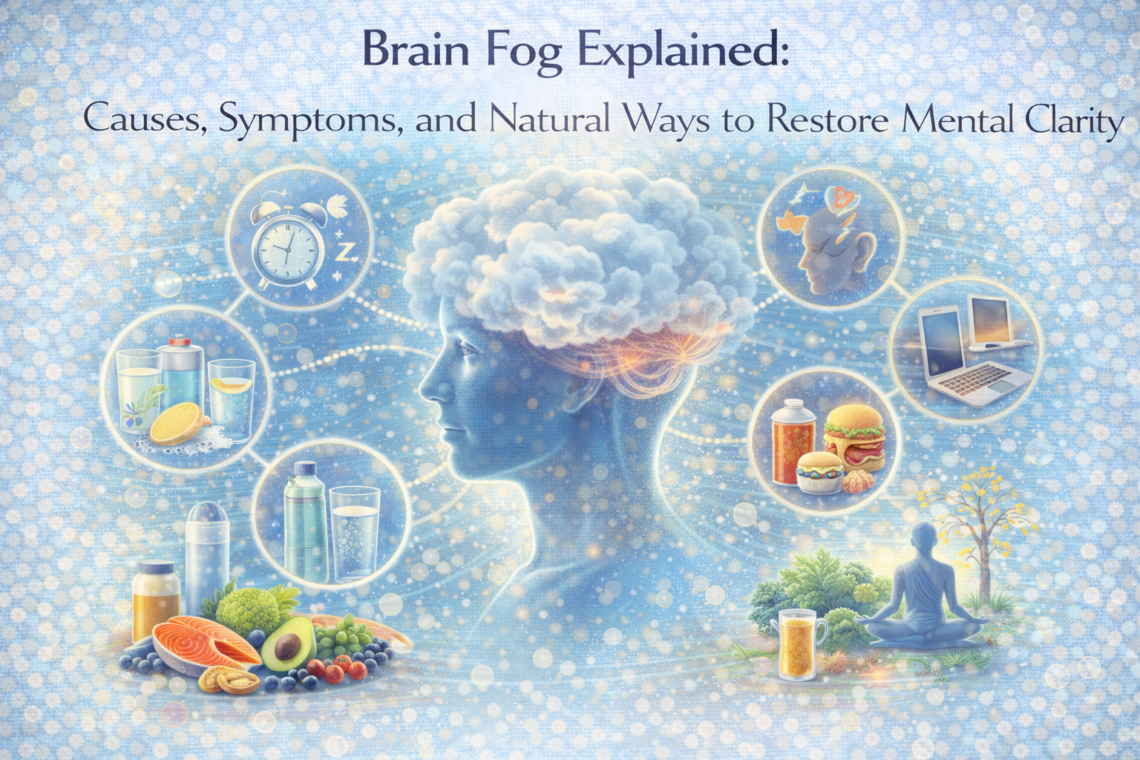
Introduction Have you ever felt mentally slow, unfocused, or unable to think clearly—even after enough sleep? This condition is commonly known as brain fog. While not a medical diagnosis, brain fog is a real and frustrating experience that affects productivity, memory, and mood. The good news is that brain fog is often reversible once you understand its root causes. What Is Brain Fog? Brain fog refers to a collection of cognitive symptoms that make it hard to think, concentrate, or remember things. It feels like your mind is “cloudy” or mentally exhausted. Brain fog can affect anyone—students, professionals, parents, and…
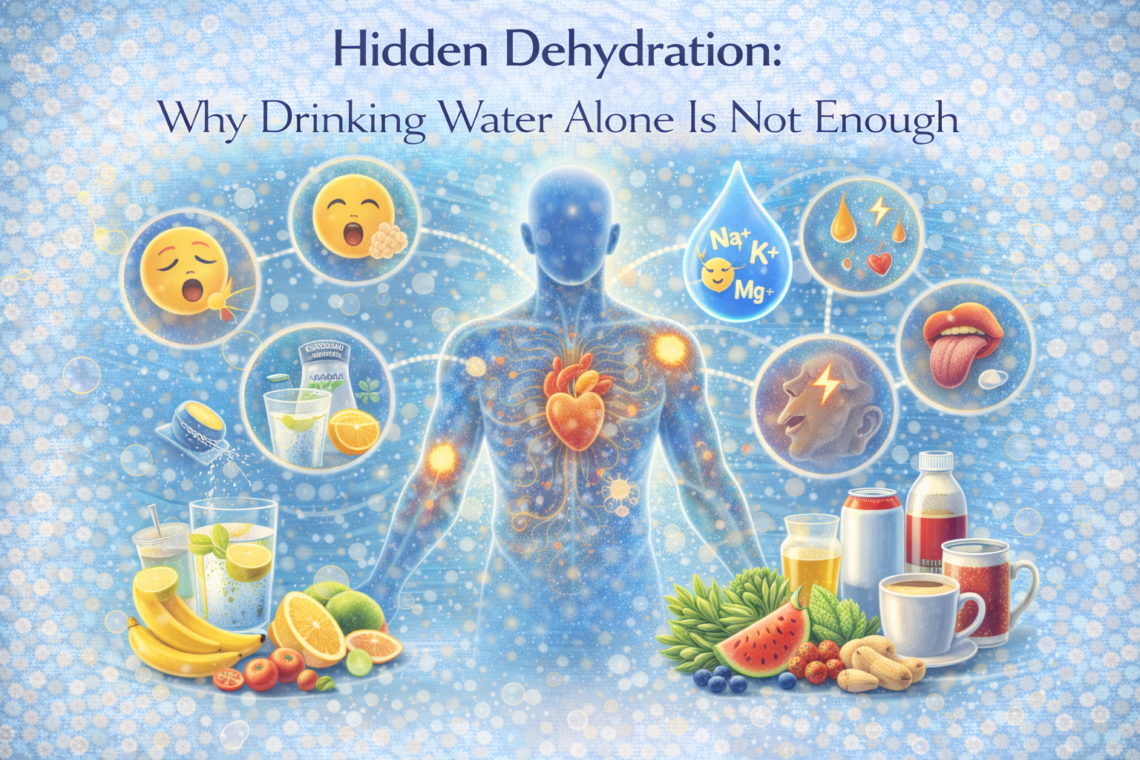
Introduction Most people believe dehydration only happens when you don’t drink enough water. But surprisingly, many people stay dehydrated even after drinking plenty of water. This condition is known as hidden dehydration, and it can quietly affect your energy, digestion, skin, and brain function. Let’s understand why water alone may not be enough—and how to hydrate your body properly. What Is Hidden Dehydration? Hidden dehydration occurs when your body lacks electrolytes and minerals, not just water. Without the right balance of sodium, potassium, magnesium, and other minerals, water cannot be absorbed effectively by your cells. As a result, your body…
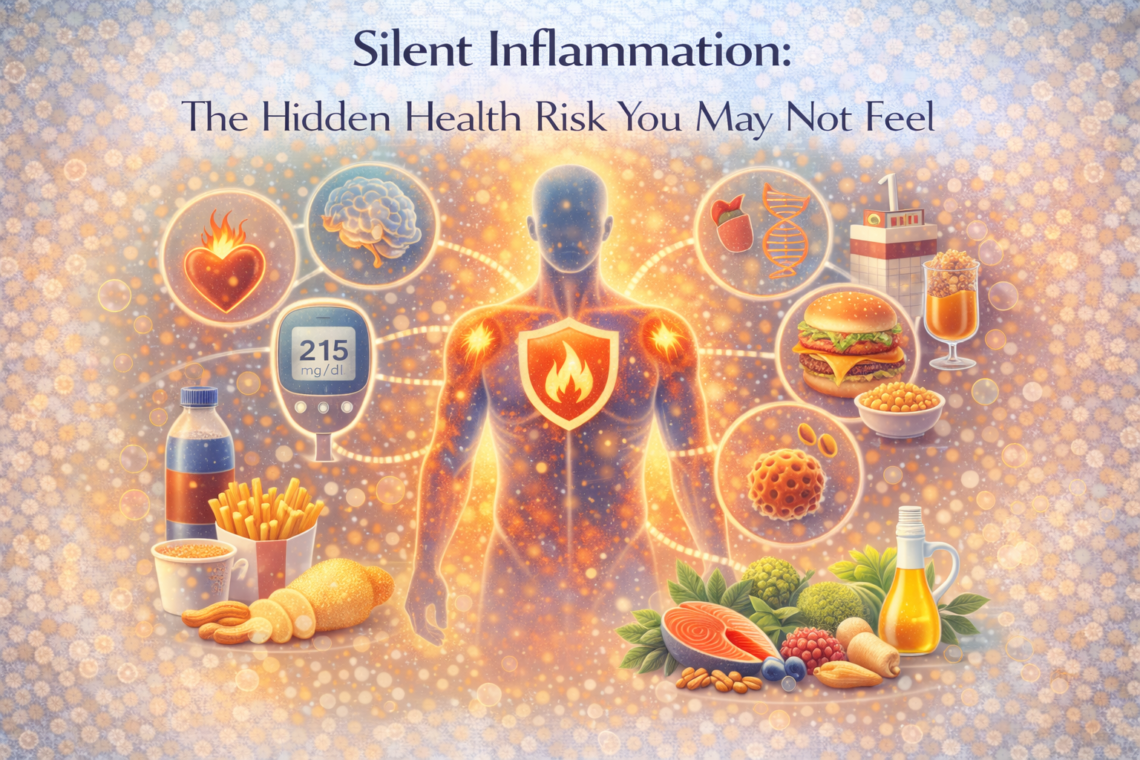
Introduction Many serious health problems don’t start with pain or obvious symptoms. One of the most dangerous hidden issues is silent (chronic) inflammation. Unlike acute inflammation—which helps heal injuries—silent inflammation slowly damages the body over time without clear warning signs. Understanding silent inflammation can help you prevent heart disease, diabetes, arthritis, and even certain cancers. What Is Silent Inflammation? Silent inflammation is a low-level, long-term immune response that stays active inside the body. It doesn’t cause redness or swelling, but it constantly stresses your organs and tissues. Over time, this internal damage increases the risk of chronic diseases. Why Silent…
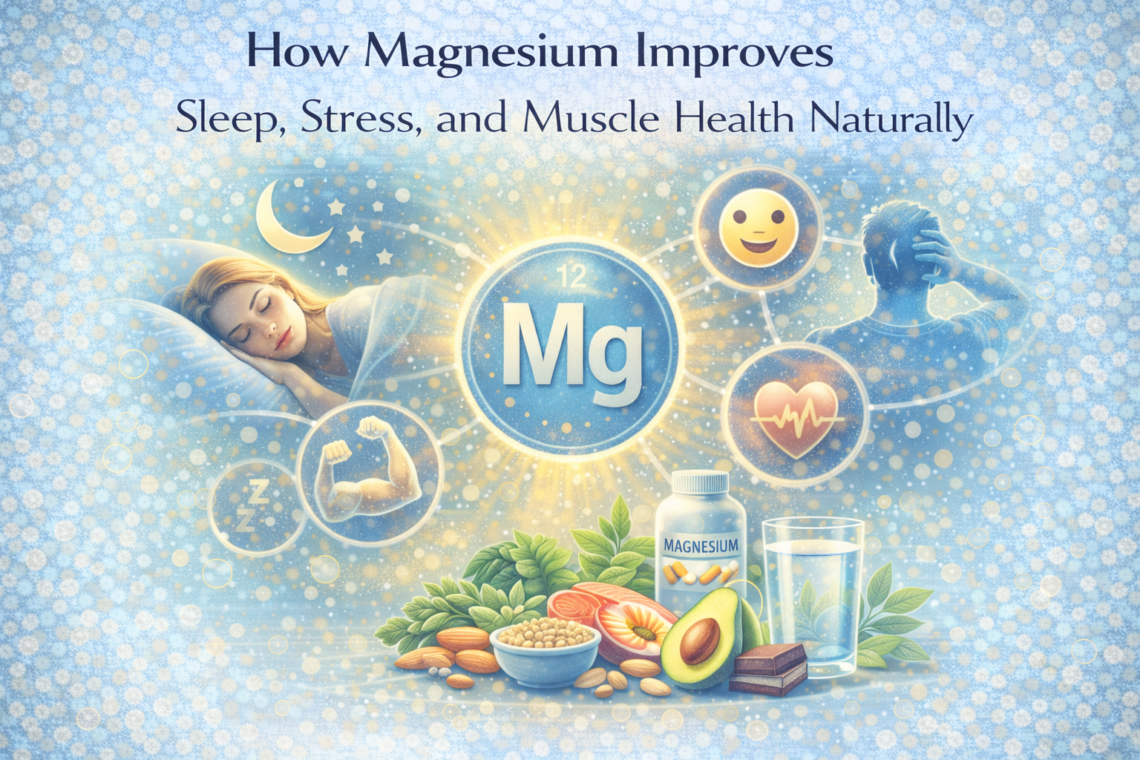
Magnesium is one of the most important minerals your body needs, yet many people don’t get enough of it. This essential nutrient plays a key role in sleep quality, stress management, muscle function, and overall health. A magnesium deficiency can silently affect your daily energy, mood, and recovery. What Is Magnesium and Why Is It Important? Magnesium is involved in more than 300 biochemical reactions in the body. It helps regulate nerves, muscles, blood sugar levels, and blood pressure. It also supports the production of energy and promotes relaxation of the nervous system. Without enough magnesium, the body struggles to…
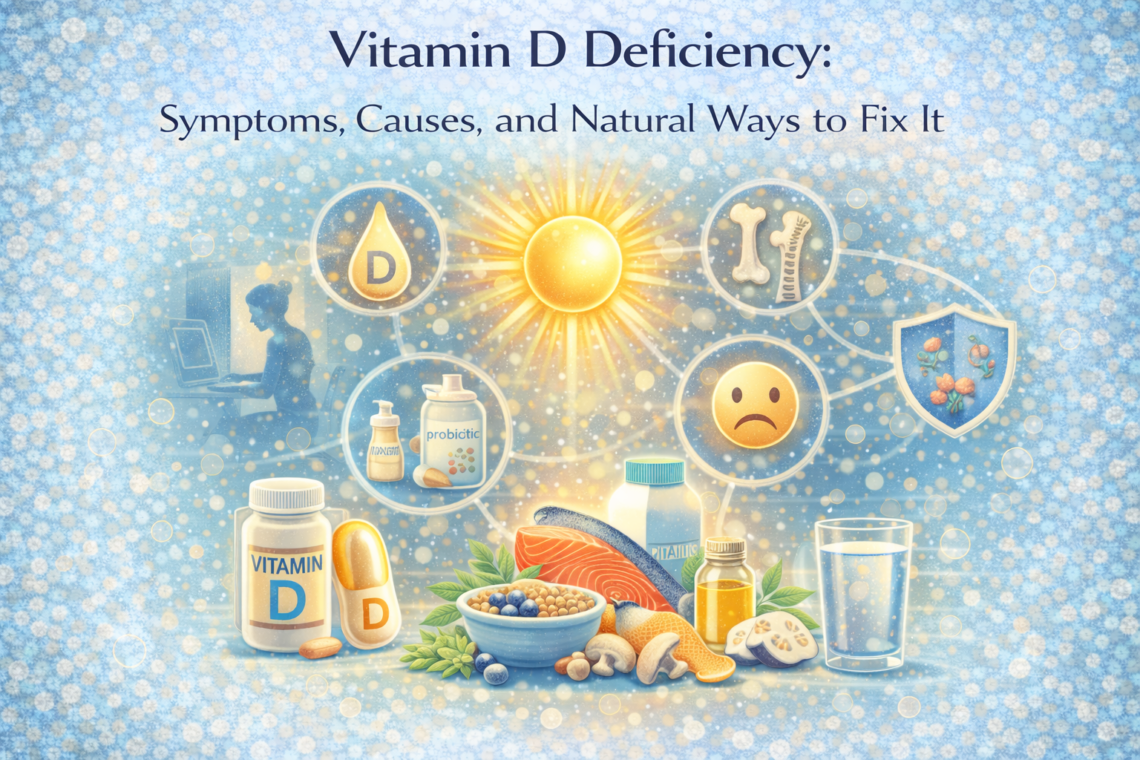
Introduction Vitamin D is often called the “sunshine vitamin,” yet millions of people worldwide are deficient in it—even in sunny regions. Vitamin D plays a crucial role in bone strength, immunity, mental health, and overall well-being. A deficiency can quietly impact your health before symptoms become noticeable. Understanding vitamin D deficiency and how to fix it naturally can help you stay stronger, healthier, and more energetic. What Is Vitamin D and Why Is It Important? Vitamin D helps the body: Without enough vitamin D, these systems begin to weaken. Common Symptoms of Vitamin D Deficiency Many people don’t realize they’re…
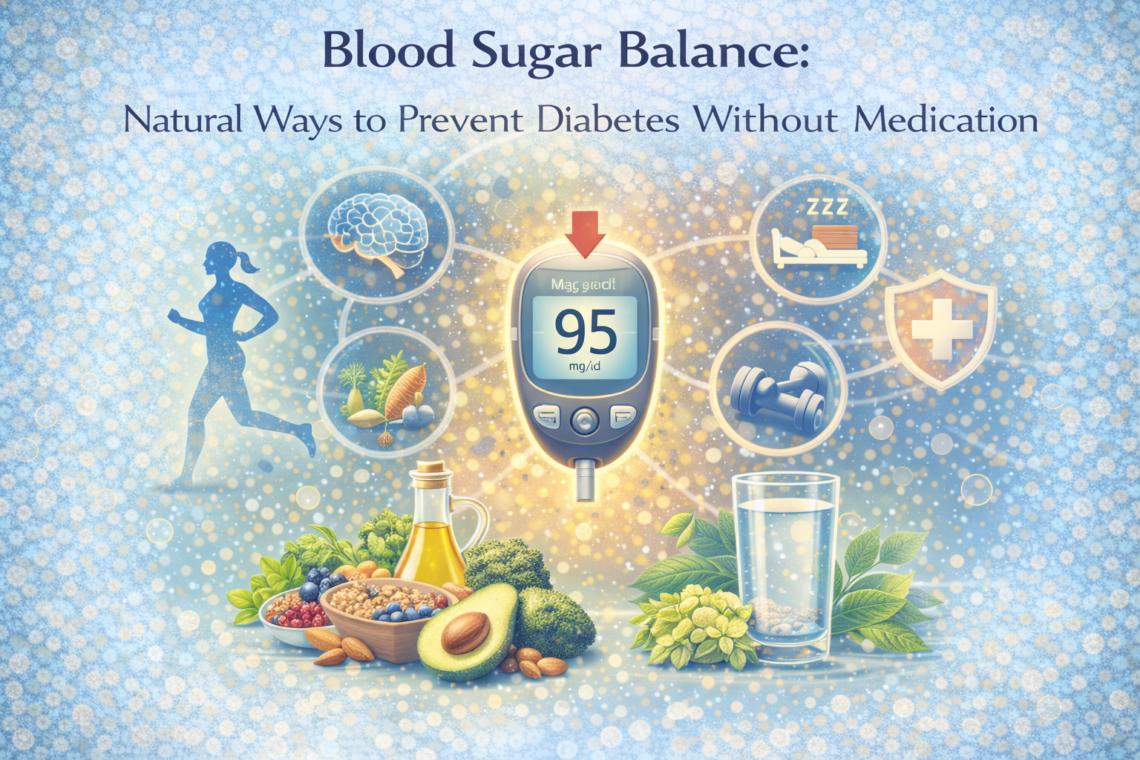
Introduction Diabetes is becoming one of the most common lifestyle-related diseases worldwide. Rising stress levels, poor diet choices, lack of physical activity, and irregular sleep patterns have made blood sugar imbalance a growing concern—even among young adults. The good news? In many cases, blood sugar levels can be controlled naturally through healthy daily habits. This article explains effective, science-backed ways to balance blood sugar and reduce the risk of diabetes without relying on medication. Understanding Blood Sugar Blood sugar (glucose) is the main source of energy for your body. It comes from the foods you eat—especially carbohydrates. Insulin, a hormone…
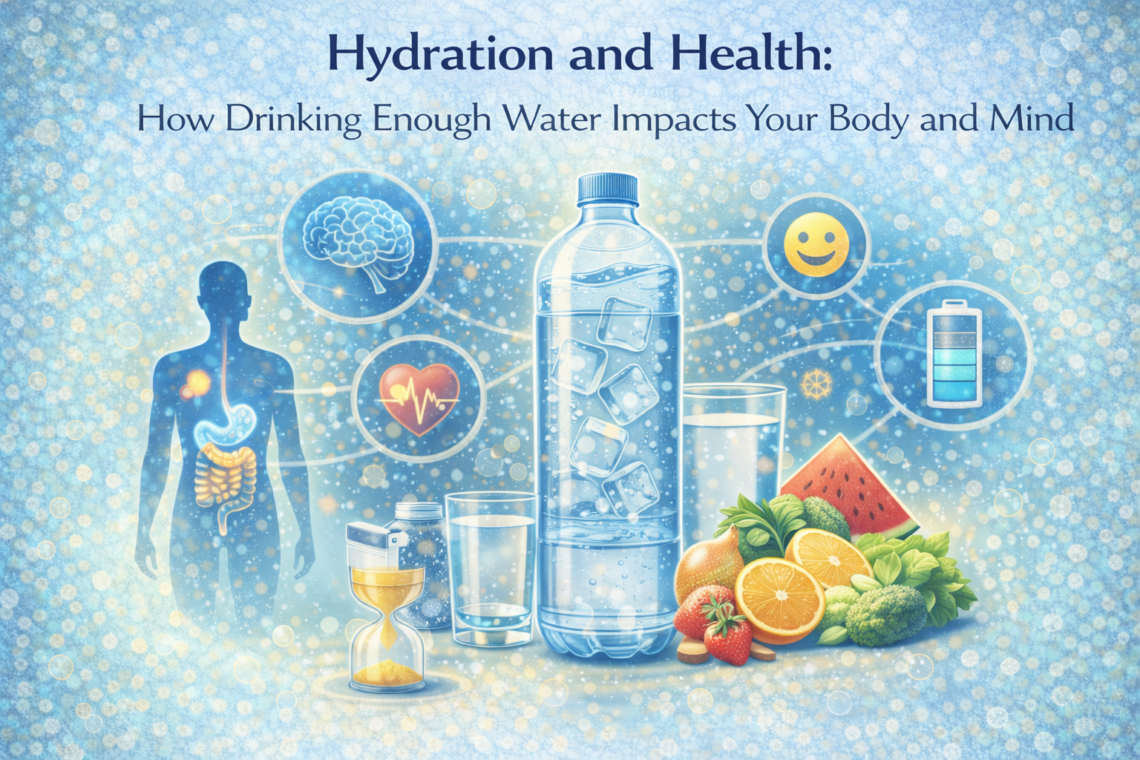
Introduction Water is essential for life, yet many people underestimate its importance. Staying properly hydrated affects everything from digestion and circulation to brain function and energy levels. Even mild dehydration can negatively impact both physical and mental health. Understanding how hydration works can help you build better daily habits for long-term wellness. Why Hydration Is Important Water makes up about 60% of the human body. It plays a key role in: Without enough water, these vital processes slow down. Signs of Dehydration Common symptoms include: Ignoring these signs can lead to more serious health issues. Benefits of Drinking Enough Water…
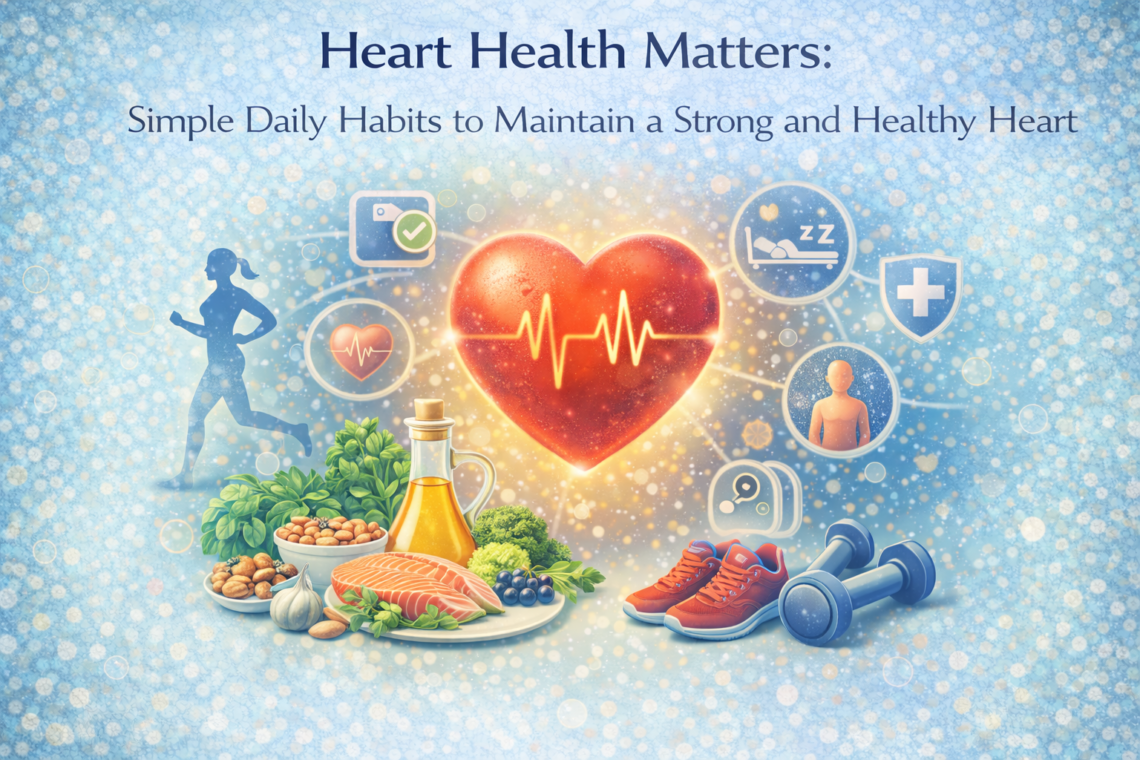
Introduction Your heart works nonstop—beating over 100,000 times a day to keep you alive. Heart health is not just a concern for older adults; lifestyle choices made today strongly affect heart health in the future. The good news is that small, consistent habits can significantly reduce the risk of heart disease. Why Heart Health Is Important Heart disease remains one of the leading causes of health problems worldwide. Poor diet, stress, lack of exercise, and unhealthy habits can weaken the heart over time, increasing the risk of high blood pressure, heart attacks, and stroke. Common Risk Factors for Heart Disease…
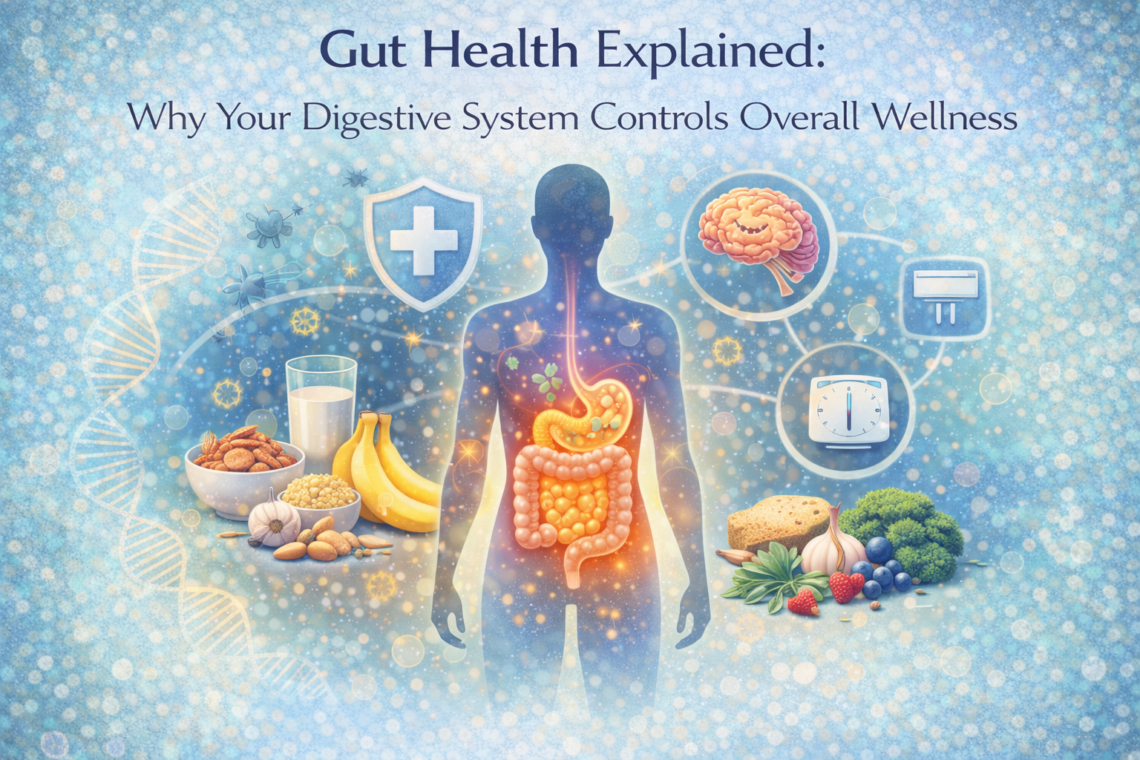
Introduction Gut health has become one of the most important topics in modern wellness—and for good reason. Your digestive system does much more than process food. It plays a critical role in immunity, mental health, weight management, and energy levels. A healthy gut can improve your overall quality of life, while poor gut health may lead to chronic issues. What Is Gut Health? Gut health refers to the balance of microorganisms living in your digestive tract. These trillions of bacteria—known as the gut microbiome—help digest food, absorb nutrients, and protect against harmful pathogens. Why Gut Health Matters 1. Supports Digestion…
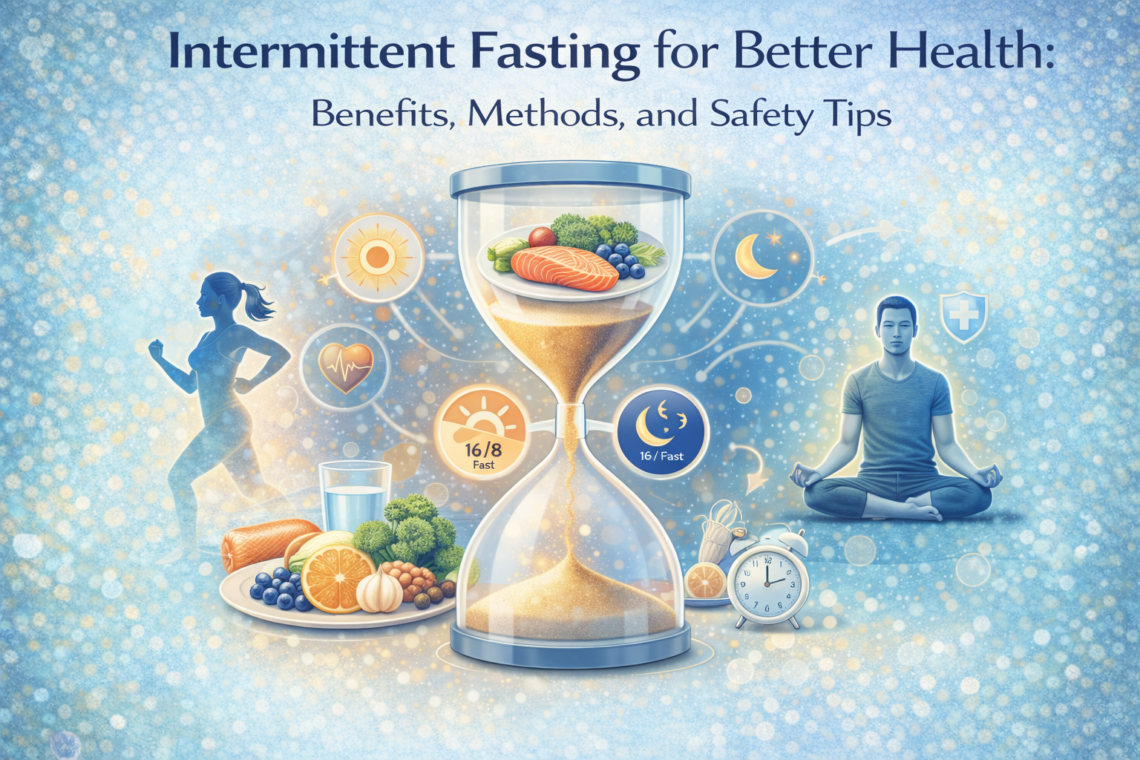
Introduction Intermittent fasting has become one of the most popular health trends worldwide—and for good reason. Unlike traditional diets, it focuses on when you eat rather than what you eat. Research shows that intermittent fasting can improve metabolism, support weight loss, enhance mental clarity, and promote long-term health when done correctly. What Is Intermittent Fasting? Intermittent fasting (IF) is an eating pattern that cycles between periods of eating and fasting. During fasting periods, calorie intake is minimal or zero, allowing the body to shift from burning glucose to burning stored fat. Popular Intermittent Fasting Methods Health Benefits of Intermittent Fasting…