🌟 Introduction
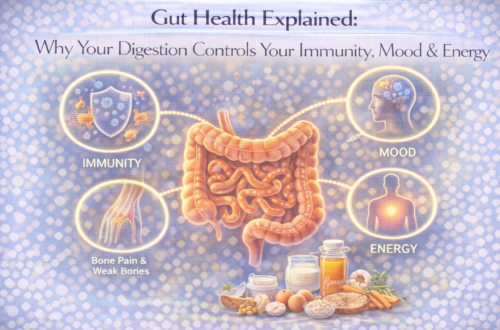
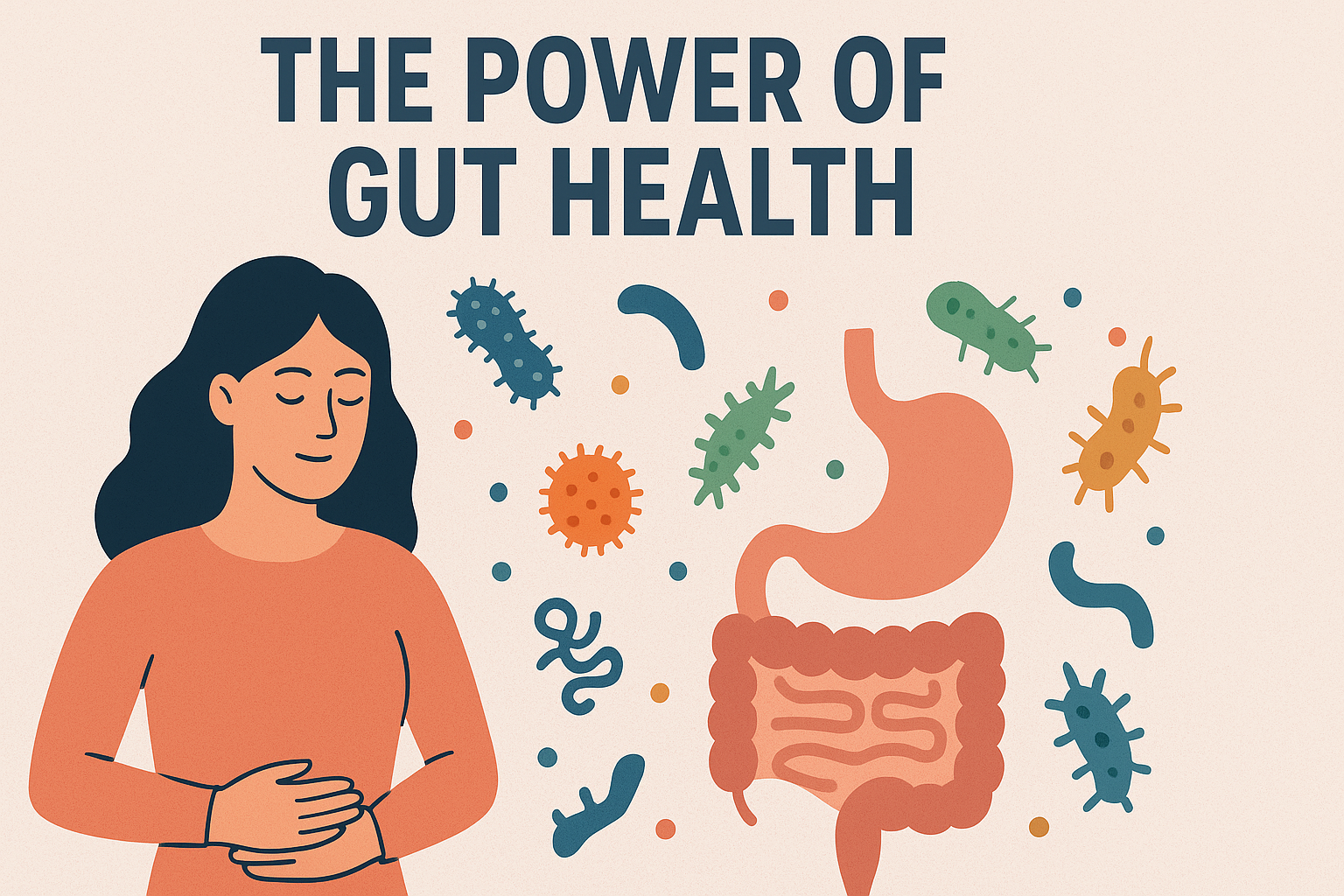
Your gut isn’t just about digestion — it’s a powerful control center for your entire body. Inside your intestines live trillions of microbes (bacteria, fungi, and other organisms) that form what’s called the gut microbiome.
This tiny ecosystem plays a major role in your immune system, mood, weight, and overall well-being. When your gut is in balance, your whole body thrives. When it’s not, you may feel tired, bloated, or anxious — even if your diet seems fine.
Let’s explore how your gut health shapes your life — and how to keep it strong.
🧬 What Is the Gut Microbiome?
The gut microbiome is a community of microorganisms living in your digestive tract.
These microbes:
- Help break down food and absorb nutrients
- Produce essential vitamins (like B12 and K)
- Protect against harmful bacteria
- Communicate with your brain through the gut-brain axis
In short — a healthy gut means a healthy you.
💡 Why Gut Health Matters
1. Digestion & Nutrient Absorption 🍽️
- Good bacteria help digest fiber and produce short-chain fatty acids.
- A balanced gut prevents bloating, gas, and constipation.
2. Immune System Strength 🛡️
- Around 70% of your immune system lives in your gut.
- A strong microbiome protects you from infections and inflammation.
3. Mood & Mental Health 🧠
- The gut produces 90% of the body’s serotonin, the “feel-good” hormone.
- Imbalances in gut bacteria are linked to anxiety, depression, and stress.
4. Weight Management ⚖️
- Certain bacteria influence how your body stores fat and regulates hunger.
- A healthy gut supports metabolism and reduces cravings.
5. Skin & Inflammation ✨
- Poor gut health can cause skin issues like acne, eczema, and dullness.
- A balanced gut reduces overall inflammation and promotes glowing skin.
🥗 How to Improve Gut Health Naturally
1. Eat Fiber-Rich Foods 🌾
- Whole grains, fruits, vegetables, and legumes feed good bacteria.
2. Add Probiotics & Fermented Foods 🥛
- Yogurt, kefir, kimchi, and sauerkraut contain live cultures that boost gut diversity.
3. Include Prebiotics 🍌
- Foods like bananas, garlic, onions, and asparagus act as food for good bacteria.
4. Stay Hydrated 💧
- Water helps maintain the mucosal lining of the intestines and supports digestion.
5. Manage Stress 😌
- Chronic stress disrupts the gut-brain connection.
- Try meditation, deep breathing, or yoga daily.
6. Get Enough Sleep 💤
- Poor sleep harms gut bacteria balance — aim for 7–8 hours nightly.
7. Limit Sugar & Processed Foods 🚫
- Excess sugar feeds harmful bacteria and increases inflammation.
⚠️ Signs Your Gut May Be Unhealthy
- Frequent bloating or constipation
- Fatigue and brain fog
- Skin breakouts or dullness
- Unexplained mood changes
- Food intolerances
🎯 Conclusion
Your gut is the foundation of your physical and mental health. Treat it well with wholesome food, rest, and balance — and it will reward you with energy, clarity, and vitality.
✨ Remember: When your gut is happy, your mind and body follow.
📩 Subscribe to Daily Health Boosts for weekly insights into natural wellness and nutrition.
🥜 Healthy Snacking Options for Work and Home click here….