Introduction
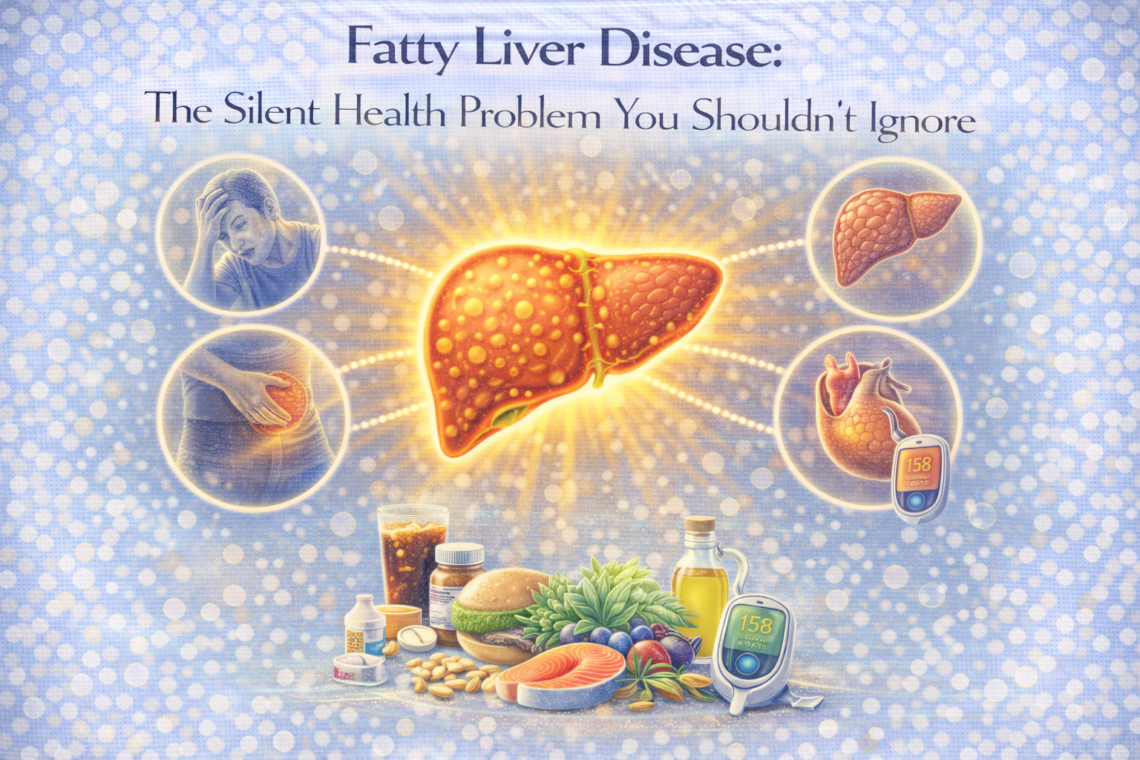
Fatty Liver Disease is becoming one of the most common yet overlooked health conditions today. Many people have it without any symptoms, and it often goes unnoticed until serious damage occurs. With poor diet, sedentary lifestyle, and rising stress levels, fatty liver is no longer limited to alcohol users—it affects even non-drinkers.
What Is Fatty Liver Disease?
Fatty Liver Disease occurs when excess fat builds up in liver cells. Normally, the liver contains a small amount of fat, but when fat exceeds 5–10% of liver weight, it becomes a health concern.
There are two main types:
- Alcoholic Fatty Liver Disease (AFLD)
- Non-Alcoholic Fatty Liver Disease (NAFLD)
Common Causes
- High sugar and refined carb intake
- Obesity and belly fat
- Insulin resistance
- High triglycerides
- Lack of physical activity
- Excess alcohol consumption
Early Warning Signs
Most people experience no symptoms, but some may notice:
- Constant fatigue
- Pain or heaviness in the upper right abdomen
- Unexplained weight gain
- Brain fog
- Mild nausea
Why Fatty Liver Is Dangerous
If ignored, fatty liver can progress to:
- Liver inflammation
- Fibrosis (scarring)
- Cirrhosis
- Liver failure
- Increased risk of diabetes and heart disease
How to Reverse Fatty Liver Naturally
- Reduce sugar and processed foods
- Eat more leafy greens, vegetables, and healthy fats
- Lose 5–10% of body weight
- Exercise at least 30 minutes daily
- Improve sleep quality
- Manage stress levels
Good news: Fatty liver is reversible in early stages.
Final Thoughts
Fatty Liver Disease is silent but serious. Early lifestyle changes can completely reverse the condition and protect your liver for life. Listening to your body today can prevent major health problems tomorrow.
Vitamin B12 Deficiency: Silent Symptoms You Should Never Ignore click here…
Omega-3 Fatty Acids: Why Your Body Needs These Essential Fats click here…
Brain Fog: Causes, Symptoms, and Natural Ways to Restore Mental Clarity click here…



One comment on “Fatty Liver Disease: The Silent Health Problem You Shouldn’t Ignore”