Introduction Diabetes is becoming one of the most common lifestyle-related diseases worldwide. Rising stress levels, poor diet choices, lack of physical activity, and irregular sleep patterns have made blood sugar imbalance a growing concern—even among young adults. The good news? In many cases, blood sugar levels can be controlled naturally through healthy daily habits. This article explains effective, science-backed ways to balance blood sugar and reduce the risk of diabetes without relying on medication. Understanding Blood Sugar Blood sugar (glucose) is the main source of energy for your body. It comes from the foods you eat—especially carbohydrates. Insulin, a hormone…
Introduction Healthy skin isn’t just about looking good—it’s a sign of overall wellness. One of the most important yet overlooked aspects of skincare is skin barrier health. Your skin barrier protects you from pollution, bacteria, dehydration, and irritation. When it’s damaged, skin problems quickly appear. Understanding how to protect and repair your skin barrier can lead to clearer, smoother, and healthier skin at any age. What Is the Skin Barrier? The skin barrier is the outermost layer of your skin, also known as the stratum corneum. It acts like a shield, locking in moisture while keeping harmful substances out. A…
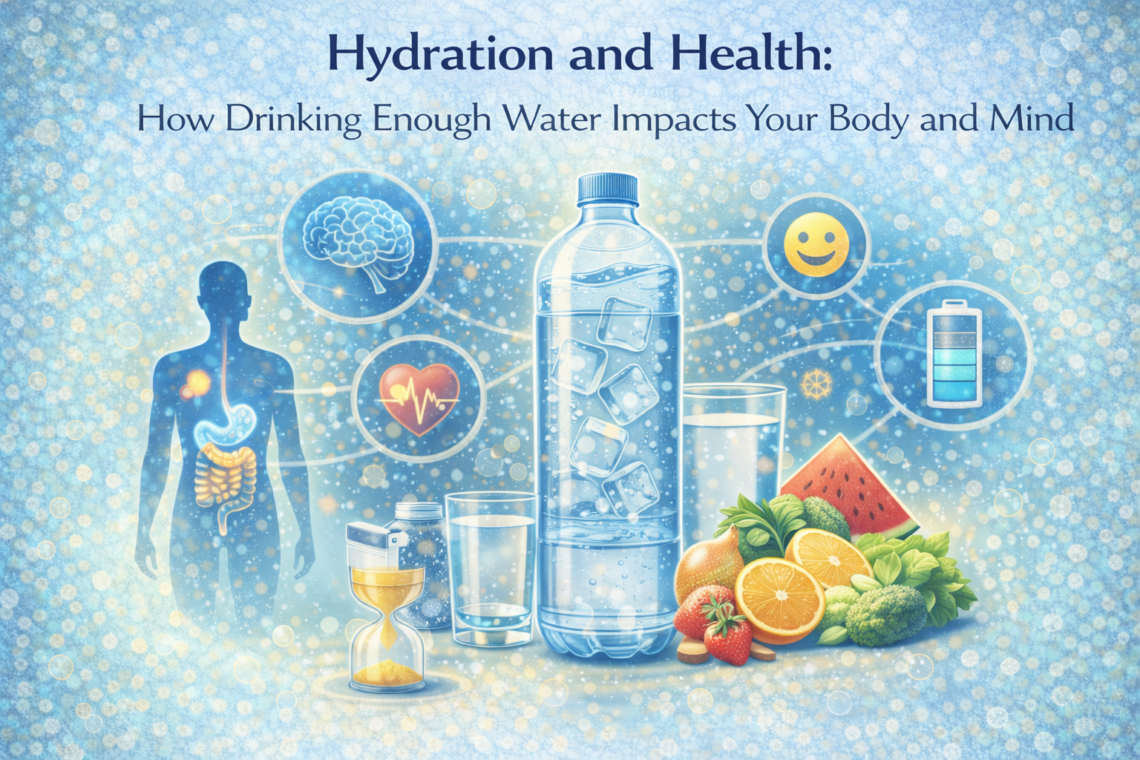
Introduction Water is essential for life, yet many people underestimate its importance. Staying properly hydrated affects everything from digestion and circulation to brain function and energy levels. Even mild dehydration can negatively impact both physical and mental health. Understanding how hydration works can help you build better daily habits for long-term wellness. Why Hydration Is Important Water makes up about 60% of the human body. It plays a key role in: Without enough water, these vital processes slow down. Signs of Dehydration Common symptoms include: Ignoring these signs can lead to more serious health issues. Benefits of Drinking Enough Water…
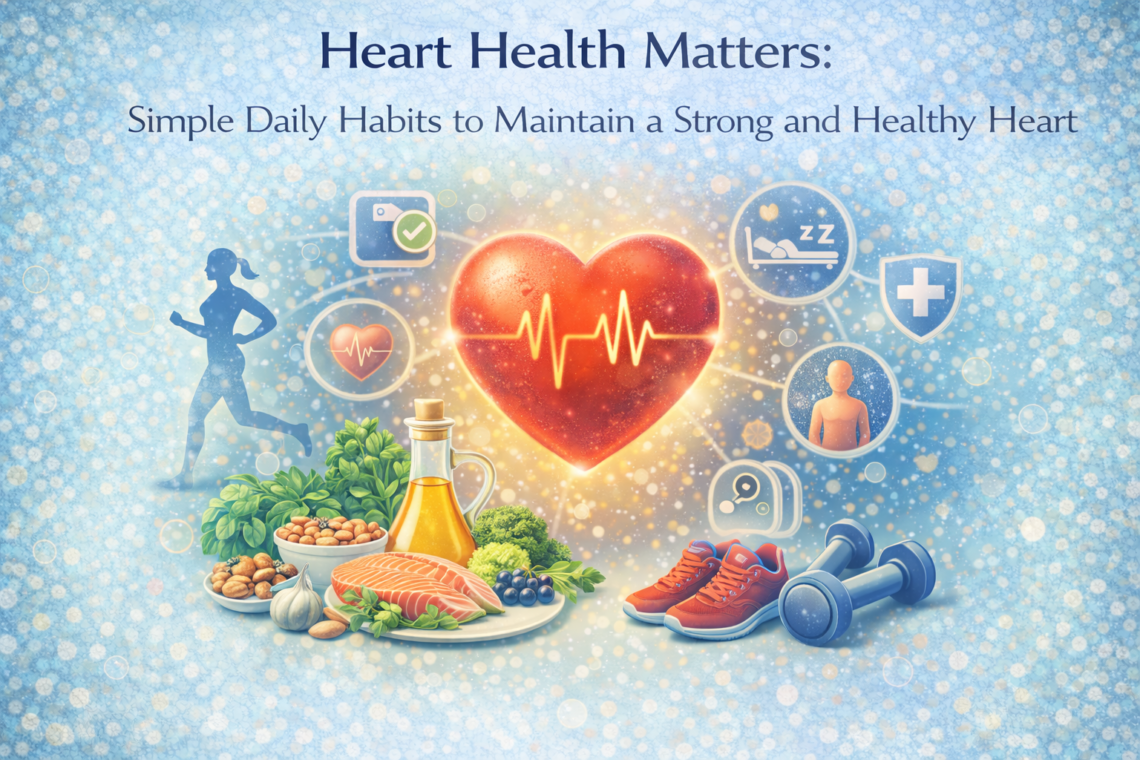
Introduction Your heart works nonstop—beating over 100,000 times a day to keep you alive. Heart health is not just a concern for older adults; lifestyle choices made today strongly affect heart health in the future. The good news is that small, consistent habits can significantly reduce the risk of heart disease. Why Heart Health Is Important Heart disease remains one of the leading causes of health problems worldwide. Poor diet, stress, lack of exercise, and unhealthy habits can weaken the heart over time, increasing the risk of high blood pressure, heart attacks, and stroke. Common Risk Factors for Heart Disease…
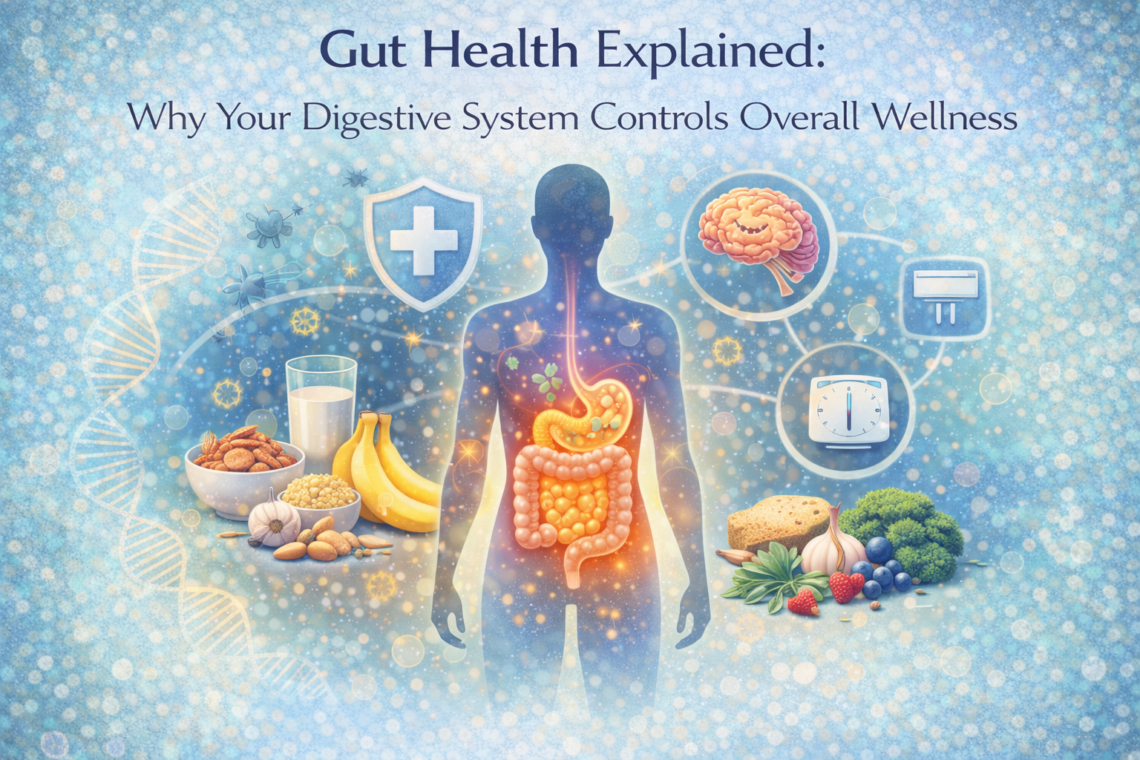
Introduction Gut health has become one of the most important topics in modern wellness—and for good reason. Your digestive system does much more than process food. It plays a critical role in immunity, mental health, weight management, and energy levels. A healthy gut can improve your overall quality of life, while poor gut health may lead to chronic issues. What Is Gut Health? Gut health refers to the balance of microorganisms living in your digestive tract. These trillions of bacteria—known as the gut microbiome—help digest food, absorb nutrients, and protect against harmful pathogens. Why Gut Health Matters 1. Supports Digestion…
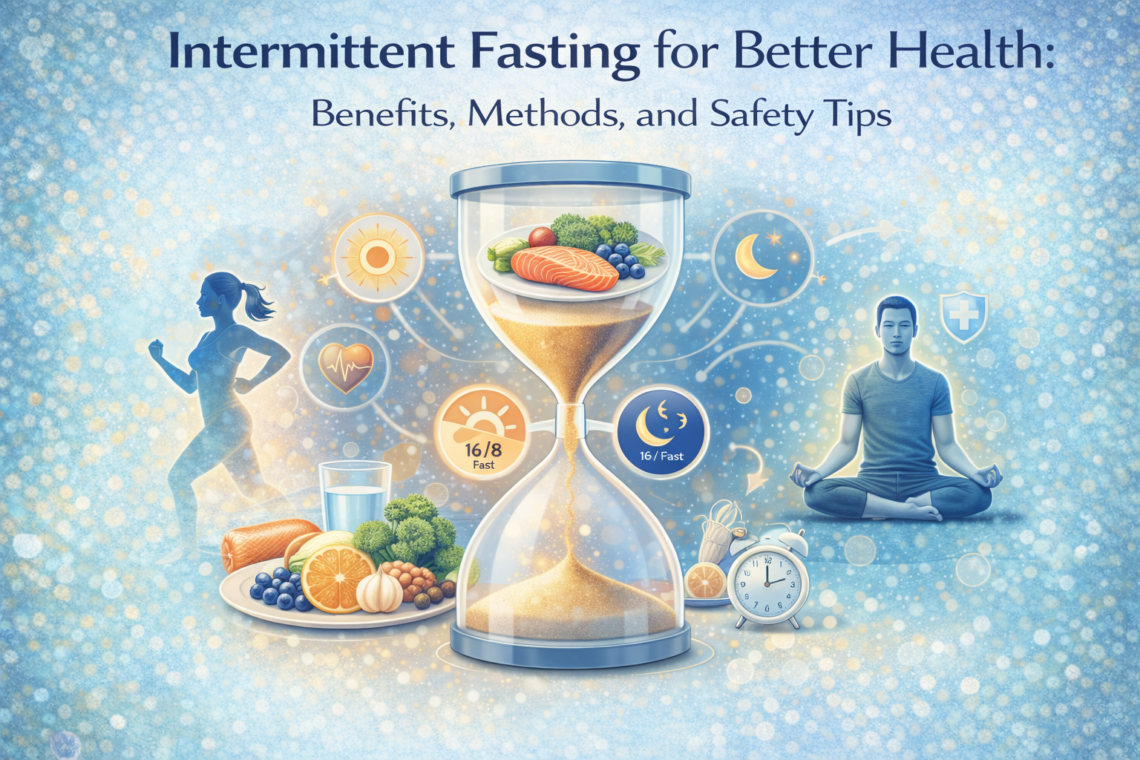
Introduction Intermittent fasting has become one of the most popular health trends worldwide—and for good reason. Unlike traditional diets, it focuses on when you eat rather than what you eat. Research shows that intermittent fasting can improve metabolism, support weight loss, enhance mental clarity, and promote long-term health when done correctly. What Is Intermittent Fasting? Intermittent fasting (IF) is an eating pattern that cycles between periods of eating and fasting. During fasting periods, calorie intake is minimal or zero, allowing the body to shift from burning glucose to burning stored fat. Popular Intermittent Fasting Methods Health Benefits of Intermittent Fasting…
Inflammation is your body’s natural defense mechanism, but when it becomes chronic, it can lead to serious health problems such as heart disease, diabetes, arthritis, and digestive issues. An anti-inflammatory diet focuses on foods that help calm inflammation and support overall wellness naturally. What Is Chronic Inflammation? Chronic inflammation occurs when the immune system stays active for long periods, even without injury or infection. This ongoing response can damage tissues and organs over time. Health Problems Linked to Inflammation Best Anti-Inflammatory Foods 1. Fruits and Vegetables Rich in antioxidants that fight inflammation: 2. Healthy Fats Omega-3 fatty acids reduce inflammatory…
A strong immune system is your body’s first line of defense against infections, viruses, and illnesses. While no system can prevent sickness entirely, healthy daily habits can significantly strengthen your immunity and help your body recover faster. The best part? You don’t need expensive supplements—simple lifestyle changes make a big difference. What Is the Immune System? The immune system is a complex network of cells, tissues, and organs that work together to protect your body from harmful invaders such as bacteria, viruses, and toxins. A weakened immune system can lead to frequent infections, fatigue, and slow recovery. Signs of a…
In today’s digital world, screens are everywhere—smartphones, laptops, tablets, and TVs. While technology makes life easier, excessive screen time can seriously affect eye health if proper care is not taken. Why Eye Health Matters Your eyes work constantly, especially in the digital age. Long hours of screen exposure can lead to eye strain, dryness, blurred vision, and headaches. Over time, neglecting eye health may increase the risk of vision problems. Common Eye Problems Caused by Screens What Is Digital Eye Strain? Digital eye strain (also called computer vision syndrome) occurs when eyes become tired due to prolonged screen use without…
Sleep is not just rest—it’s a vital process that allows your body and mind to recover, repair, and reset. Yet millions of people struggle with poor sleep due to stress, screen exposure, irregular routines, and unhealthy habits. Good sleep hygiene can dramatically improve your physical health, mental clarity, and daily energy levels. What Is Sleep Hygiene? Sleep hygiene refers to healthy habits and routines that help you fall asleep faster, stay asleep longer, and wake up feeling refreshed. Poor sleep hygiene can lead to fatigue, weakened immunity, weight gain, and reduced focus. Why Quality Sleep Matters Proper sleep supports: Chronic…