🌟 Introduction
Most serious health problems don’t appear overnight. They develop silently over time, often without obvious symptoms. This is where preventive health screenings play a crucial role — and health fairs make these screenings accessible, affordable, and convenient for everyone.
Health fairs are more than just events; they are powerful tools for early detection, awareness, and prevention. Whether you’re young, middle-aged, or senior, preventive screenings can protect your future health.
Let’s explore why health fairs matter and how preventive screening can truly save lives.
🩺 What Is a Health Fair?
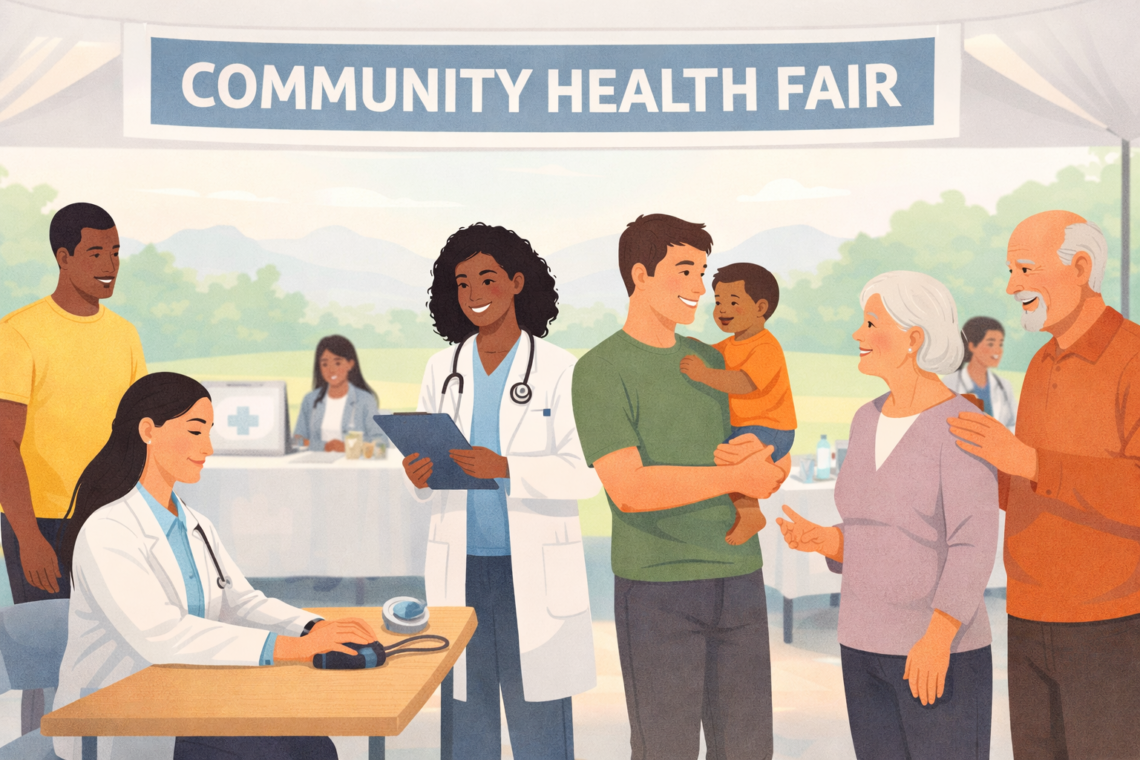
A health fair is a community-based event where individuals can access:
- Free or low-cost medical screenings
- Health consultations
- Wellness education
- Lifestyle guidance
They are often organized by hospitals, government agencies, NGOs, or wellness organizations to promote public health awareness.
🔍 What Are Preventive Screenings?
Preventive screenings are medical tests performed before symptoms appear to detect potential health issues early.
Common screenings include:
- Blood pressure checks
- Blood sugar tests
- Cholesterol tests
- BMI and obesity screening
- Vision and eye exams
- Dental checkups
- Cancer screenings (when applicable)
Early detection leads to early treatment, which is often simpler, less expensive, and more effective.
🌈 Key Benefits of Health Fairs
1. Early Detection Saves Lives ❤️
Many conditions like diabetes, hypertension, and heart disease show no early symptoms.
Health fairs help identify risks early — sometimes before permanent damage occurs.
2. Affordable & Accessible Healthcare 💸
Health fairs often provide:
- Free screenings
- Low-cost tests
- No insurance requirements
This makes healthcare accessible to people who might otherwise delay checkups due to cost.
3. Awareness & Health Education 📚
Participants learn about:
- Disease prevention
- Healthy lifestyle habits
- Nutrition and fitness
- Mental health awareness
Education empowers people to take control of their health.
4. Encourages Preventive Mindset 🧠
Health fairs shift the focus from treating illness to preventing disease, helping people adopt healthier habits early in life.
5. Community Health Improvement 🤝
When more people stay healthy, entire communities benefit through:
- Reduced healthcare burden
- Increased productivity
- Improved quality of life
👨👩👧👦 Why Preventive Screening Matters for Everyone
For Young Adults
- Detect early lifestyle-related risks
- Build healthy habits early
- Monitor mental health and nutrition
For Middle-Aged Adults
- Identify heart disease or diabetes risk
- Track cholesterol and blood pressure
- Prevent chronic conditions
For Seniors
- Monitor vision, hearing, and bone health
- Manage existing conditions
- Improve longevity and independence
⚠️ Common Health Conditions Detected Early
- High blood pressure
- Diabetes
- Heart disease risk
- Obesity
- Vision problems
- Nutrient deficiencies
Early detection helps prevent complications and hospitalizations later in life.
🧘 How to Prepare for a Health Fair
- Carry previous medical reports (if any)
- Wear comfortable clothing
- Drink water before screenings
- Ask questions during consultations
- Take notes on recommendations
💡 After the Screening: What Next?
- Follow up with a doctor if results are abnormal
- Adopt recommended lifestyle changes
- Schedule regular checkups
- Share awareness with family and friends
Preventive care doesn’t end at the fair — it begins there.
🎯 Conclusion
Health fairs play a vital role in promoting preventive healthcare for all. By offering early screenings, education, and community support, they help people detect health issues early and live healthier, longer lives.